
Transportation Challenges Seniors Face When Accessing Healthcare
July 10, 2026
Access to healthcare is essential for maintaining health, independence, and quality of life, especially for older adults. Regular medical appointments help seniors manage chronic conditions, monitor overall wellness, and receive timely treatment when health concerns arise. However, getting to and from healthcare appointments is not always simple.
Many seniors face transportation challenges that can make accessing medical care difficult. Physical limitations, mobility concerns, the inability to drive, and a lack of reliable transportation options can all create barriers to receiving consistent healthcare. These challenges can lead to delayed treatment, missed appointments, and increased health risks.
Understanding the transportation obstacles many seniors encounter highlights the importance of reliable transportation solutions that help ensure continued access to healthcare services and support long-term well-being.
Why Transportation Plays a Critical Role in Senior Healthcare
Transportation is often one of the most overlooked factors influencing healthcare access. While medical providers focus on treatment plans and patient outcomes, the ability to physically reach appointments remains a crucial part of the healthcare process.
For many older adults, transportation directly affects whether they can attend routine checkups, specialist visits, rehabilitation appointments, and ongoing treatments. Without dependable transportation, even the best healthcare plans can become difficult to follow.
As healthcare needs increase with age, transportation becomes an increasingly important component of maintaining overall health and independence.
Common Transportation Challenges Seniors Experience
Older adults face a variety of obstacles that can make traveling to healthcare appointments more complicated than many people realize.
Limited Ability to Drive
Many seniors eventually reduce or stop driving due to vision changes, slower reaction times, medical conditions, or concerns about safety on the road. While giving up driving can be the safest decision, it often creates new challenges when it comes to attending medical appointments.
Without personal transportation, seniors may need to rely on family members, friends, or community resources that are not always consistently available.
Mobility Limitations
Mobility concerns are common among aging adults. Conditions such as arthritis, balance disorders, joint pain, and muscle weakness can make entering and exiting vehicles more difficult.
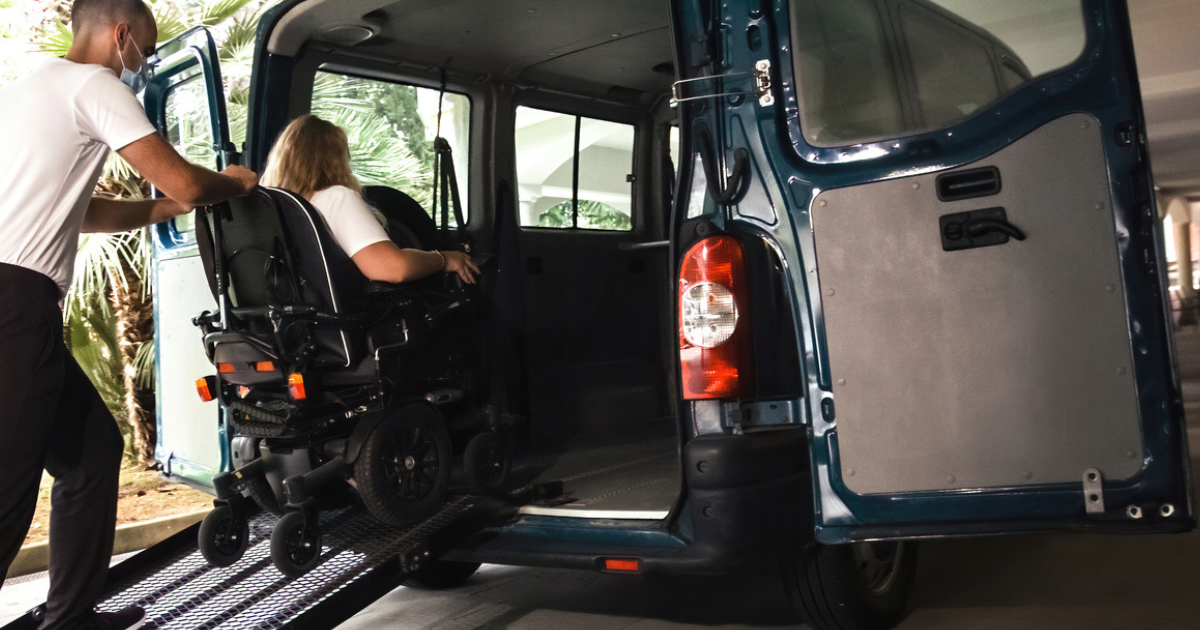
For seniors who use wheelchairs, walkers, or other mobility aids, transportation requires vehicles that can safely accommodate these needs while providing a comfortable travel experience.
Geographic and Scheduling Barriers
Some seniors live significant distances from healthcare providers, specialists, or treatment centers. Transportation challenges can become even greater in areas where public transportation options are limited or unavailable.
Scheduling appointments around transportation availability can also be difficult, particularly when medical visits occur frequently or require early arrival times.
How Transportation Challenges Affect Health Outcomes
Missed Appointments and Delayed Care
When reliable transportation is unavailable, medical appointments are more likely to be postponed or missed entirely. Delays in care can make it more difficult to monitor chronic conditions and address health concerns before they become more serious.
Regular attendance at appointments allows healthcare providers to identify issues early and adjust treatment plans when necessary.
Increased Health Risks
Missing appointments can contribute to worsening symptoms, delayed diagnoses, and interruptions in treatment plans. Over time, these disruptions may increase the likelihood of emergency medical situations or hospitalizations.
Consistent transportation support helps seniors maintain access to preventive care and ongoing medical management.
Emotional Stress and Anxiety
Transportation concerns can create significant stress for older adults. Worrying about how to get to appointments may lead some individuals to delay scheduling important healthcare visits altogether. Reducing transportation-related stress can improve confidence and encourage greater participation in healthcare decisions.
The Importance of Reliable Medical Transportation for Seniors
Reliable transportation services provide a practical solution for older adults who need assistance accessing healthcare.
Supporting Consistent Healthcare Access
Dependable transportation helps seniors attend appointments regularly, reducing the likelihood of interruptions in care. Reliable scheduling and professional transportation services help ensure that healthcare remains accessible regardless of personal driving ability.
Promoting Independence
Maintaining independence is important to many seniors. Access to reliable transportation allows older adults to continue managing their healthcare needs while remaining active participants in their daily lives.
Rather than depending entirely on family members or caregivers, transportation services provide an additional level of flexibility and support.
Enhancing Comfort and Safety
Medical transportation providers are often equipped to assist passengers with mobility challenges and other healthcare-related needs. Accessible vehicles and trained transportation professionals help create a safer and more comfortable experience for seniors traveling to appointments.
Planning Ahead for Better Healthcare Access
Creating a transportation plan can help seniors avoid unnecessary disruptions in care. Scheduling transportation in advance, understanding available options, and working with dependable providers can make healthcare appointments more manageable and less stressful.
Patients, family members, and caregivers all benefit from having a reliable transportation strategy that supports ongoing healthcare needs and encourages consistent access to medical services. By planning ahead, seniors can focus more on their health and less on the challenges of getting to and from appointments.
Conclusion
Transportation plays a vital role in helping seniors maintain access to healthcare. Challenges such as reduced driving ability, mobility limitations, and transportation availability can create barriers that affect health outcomes and overall quality of life.
Reliable medical transportation helps address these challenges by providing safe, dependable access to healthcare services. By supporting appointment attendance, promoting independence, and reducing transportation-related stress, dependable transportation solutions help seniors remain engaged in their healthcare and maintain better long-term health.
Common questions about senior transportation challenges, mobility support, and how reliable NEMT improves healthcare access.
Many seniors experience physical limitations, reduced driving ability, or medical conditions that make independent transportation more difficult, creating additional barriers to accessing healthcare.
Missed appointments can delay treatment, worsen chronic conditions, increase health risks, and reduce opportunities for preventive care and early intervention.
Yes. Many medical transportation providers offer wheelchair-accessible vehicles and transportation solutions designed to support passengers with mobility limitations.
Reliable transportation helps seniors attend appointments consistently, maintain treatment schedules, receive preventive care, and reduce the likelihood of healthcare disruptions.
Contact Halo Medical Transport
Our team is here to help with non-emergency medical transportation questions, ride scheduling, and patient transportation coordination.