
The Difference Between Medical Transportation and Regular Ride Services
June 24, 2026
At first glance, medical transportation may seem similar to regular transportation services. Both involve taking passengers from one location to another, and both provide an alternative to driving independently. However, when healthcare is involved, transportation becomes much more than simply reaching a destination.
Patients attending medical appointments often face physical limitations, recovery challenges, mobility concerns, or ongoing treatment schedules that require additional care and support during travel. In these situations, regular rideshare services may not always provide the accessibility, assistance, or reliability patients truly need.
Non-emergency medical transportation (NEMT) is specifically designed to support individuals who require safe, comfortable, and dependable transportation as part of their healthcare journey. The difference is not only in the vehicle itself, but also in the level of professionalism, preparation, and patient-focused care provided throughout the experience.
Medical Transportation Is Built Around Patient Needs
Traditional ride services are primarily focused on convenience and speed. Medical transportation, on the other hand, is designed around patient safety, accessibility, comfort, and healthcare-related support.
Patients using medical transportation services may be recovering from surgery, attending dialysis appointments, managing chronic conditions, using wheelchairs, or requiring additional mobility assistance. These situations require a transportation experience that goes beyond basic pickup and drop-off.
Medical transportation providers understand that every ride is part of a larger healthcare journey and should be approached with professionalism, patience, and attention to detail.
Accessibility Creates a Safer Experience
Vehicles Are Designed for Medical Transportation
One of the biggest differences between medical transportation and regular rideshare services is vehicle accessibility.
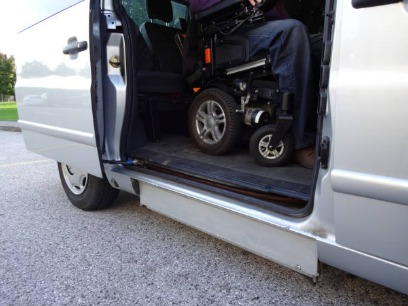
Medical transportation vehicles are often equipped with wheelchair lifts, securement systems, spacious interiors, and supportive seating arrangements designed specifically for patients with mobility challenges. These features help create a safer and more comfortable environment during travel.
Standard transportation vehicles may not always provide enough space or support for patients who require additional accommodations.
Assistance Matters During Pickup and Drop-Off
Medical transportation also includes a level of assistance that regular rideshare services are not typically designed to provide.
Patients may require help entering or exiting the vehicle, securing wheelchairs, or navigating mobility limitations safely. Professional medical transportation drivers are trained to assist patients respectfully and carefully throughout the process.
This support helps reduce physical strain and creates a calmer, safer experience for patients and families alike.
Reliability Is Critical in Healthcare Transportation
When healthcare appointments are involved, timing matters significantly. Missed or delayed appointments can interrupt treatment schedules, increase stress levels, and negatively impact patient outcomes.
Medical transportation services prioritize reliability because they understand how important consistency is within healthcare routines. Patients and caregivers need to feel confident that transportation will arrive on time and provide dependable support throughout the journey.
While standard rideshare services may experience unpredictable availability or scheduling changes, medical transportation providers focus on creating a more stable and reliable experience for healthcare-related travel.
Professionalism and Compassion Make a Difference
Healthcare-related transportation requires a different level of awareness and sensitivity than standard passenger transportation.
Patients may feel physically uncomfortable, emotionally exhausted, anxious about treatments, or overwhelmed by recovery challenges. Compassionate communication, patience, and respectful assistance can greatly improve the overall transportation experience.
Medical transportation professionals are trained to prioritize patient comfort and dignity during every ride. These small moments of care often make a meaningful difference, especially for individuals who regularly attend medical appointments.
Transportation Is Part of the Healthcare Experience
Transportation should not be viewed as separate from healthcare. For many patients, the journey to and from appointments directly affects how manageable, stressful, or accessible healthcare feels overall.
A safe, reliable, and supportive ride can help patients feel more comfortable attending appointments consistently and maintaining treatment routines. It can also reduce stress for caregivers who may otherwise struggle to coordinate transportation independently.
Medical transportation providers play an important role in helping patients access care safely and comfortably throughout their healthcare journey.
Conclusion
Although regular rideshare services may work for everyday transportation, medical transportation is specifically designed to meet the unique needs of patients requiring additional care, accessibility, and support.
From professional assistance and accessible vehicles to reliability and patient-focused service, medical transportation creates a safer and more supportive experience for individuals attending healthcare appointments.
The difference is not simply about transportation itself. It is about helping patients feel comfortable, respected, and supported during moments that already carry enough physical and emotional challenges.
Common questions about medical transportation, regular ride services, accessibility, reliability, and patient-focused support.
Medical transportation is specifically designed for patients who require accessibility support, professional assistance, and dependable transportation to healthcare-related appointments.
Seniors, wheelchair users, post-surgery patients, individuals with mobility challenges, and people attending regular medical treatments can benefit from NEMT services.
Reliable transportation helps patients avoid missed appointments, maintain treatment schedules, and reduce stress related to healthcare access.
Yes. Professional medical transportation drivers are trained to assist patients safely during pickup, drop-off, wheelchair securement, and other mobility-related needs.
Contact Halo Medical Transport
Our team is here to help with non-emergency medical transportation questions, ride scheduling, and patient transportation coordination.